Amazon Scraper API vs Proxy: Choose a Product Data Source
Compare seller APIs, licensed Amazon product data and proxy page checks by record, access scope and reuse rights.
Read guide
The parts of a sneaker bot (tasks, profiles, accounts, monitors, proxies and servers), what happens during a release, how stores push back, and the legal and terms limits to know.
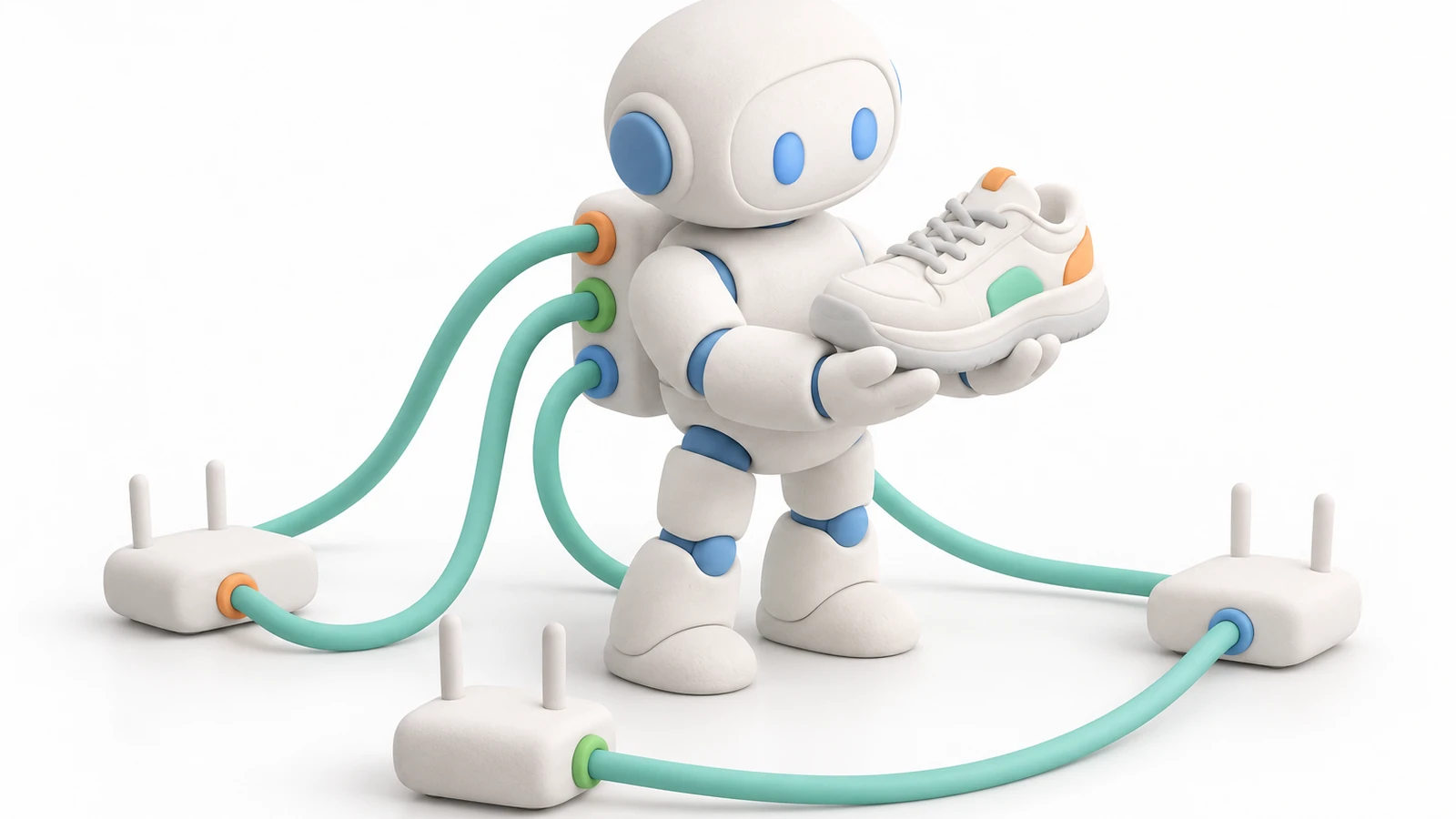
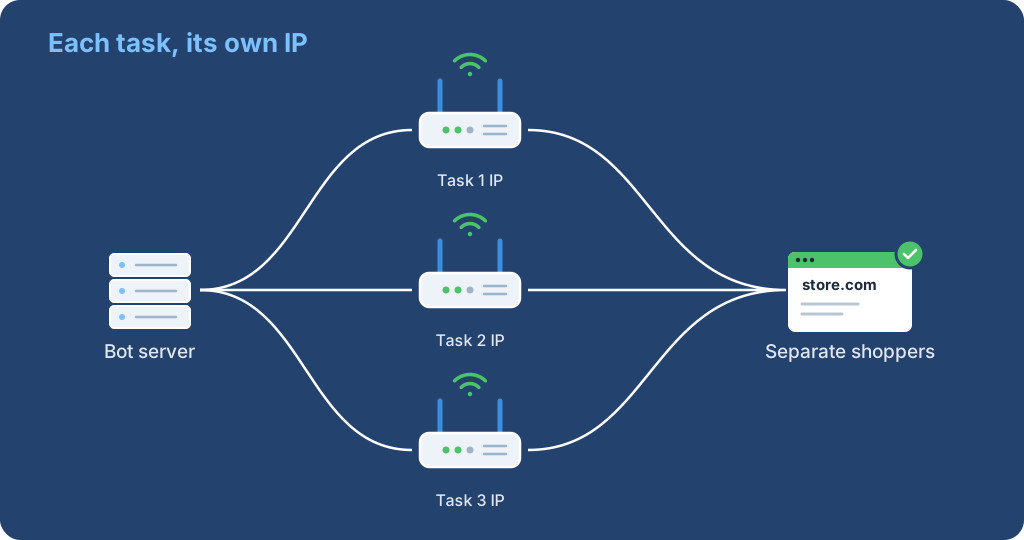
A sneaker bot is software that runs many checkout attempts at once, each one called a task. Every task combines a product, a size, a shipping and payment profile, often an account, and its own proxy IP, so the store sees separate shoppers instead of one machine.
Stores push back with queues, draws, verification and purchase limits. Store terms usually ban automated purchases, so bots are a terms question for sneakers; for event tickets, the US BOTS Act makes bypassing limits illegal.
Most retail bots share the same building blocks, whatever the brand. The task is the unit of work; everything else feeds it.
| Part | What it holds | Example |
|---|---|---|
| Task | One attempt: store, product, size, mode | Nike, style code, size 10 |
| Profile | Shipping address and payment card | Home address, one card |
| Account | A store login, where the store needs one | A Nike member account |
| Proxy | The IP the task sends traffic through | One static ISP IP |
| Monitor | Watches products and triggers tasks | Polls a product page every few seconds |
| Server | The machine the bot runs on | A VPS near the store's region |
Valor's documentation ties each task group to one site and lets every task pick a proxy group. NSB's task setup has a step to select a billing profile and proxy list. The shape is the same: tasks draw on shared lists of profiles and proxies.
The whole run is one session per task. If a task's IP changes mid-way, many stores treat it as a new visitor. Valor's Pokémon Center guide notes that an IP change sends the task back into the queue, which is why static ISP IPs carry most release tasks.
Without proxies, every task leaves from the server's one IP. The store sees dozens of carts from one address and blocks it. Proxies give each task its own address, and the type of proxy decides how that address behaves:
Our guide to the best proxies for sneaker bots compares the three in detail.
Stores know bots are there. Nike's SNKRS VP said in 2023 that the app sees nearly 12 billion bot entries a month and removes up to 98% of them, as reported by Sneaker News. The common defenses:
| Defense | What it does | Effect on bots |
|---|---|---|
| Queues and waiting rooms | Let shoppers in a few at a time | Tasks need a stable IP to keep their place |
| Draws | Pick winners at random from entries | Speed matters less; entry rules matter more |
| Account verification | Phone numbers, member profiles | Each entry needs a real person behind it |
| Purchase limits | One pair per person or address | Extra orders get cancelled |
| Bot screening | Flags automated patterns and bad IPs | Shared or cloud IPs fail first |
Nike's draw rules, for example, allow one entry per person per launch product and name scripts that automate entries as grounds for blocking or cancelling.
For sneakers and other retail goods in the US, the main limit is the store's terms, which usually forbid automated purchasing and let the store cancel orders. The Stopping Grinch Bots Act, which would apply the BOTS Act approach to online retail, has been introduced in Congress several times; the 2023 Senate version, S. 3511, was referred to committee. Check its current status before relying on it either way.
Event tickets are different. The US BOTS Act prohibits getting around a ticket issuer's security measures or purchase limits and bans reselling tickets bought that way. The FTC enforces it, and its first cases against three ticket brokers ended in $3.7 million in civil penalties. This is general information, not legal advice.
If you run a bot, the next steps are choosing IPs and loading them. ProxyLane's sneaker proxies are dedicated static ISP IPs at $3.90 per IP for 30 days, and our setup guide for Valor and NSB shows where the list goes.
 ProxyLaneTraffic never expires
Scale your workflows with the tools you already use. Rotating or sticky sessions up to 72 hours.
Compare seller APIs, licensed Amazon product data and proxy page checks by record, access scope and reuse rights.
Read guideChoose the right anti-detect browser proxy guide, map the shared verification steps, and keep account access separate from the network route.
Read guideOur picks for market research: ProxyLane for small, intermittent projects, plus options for regional tracking, monthly collection and managed extraction.
Read guide